

How to Reduce the Risk of Lung Transplant Rejection?

If you’ve recently undergone a lung transplant or are preparing for one, understanding how to reduce the risk of rejection is essential. Whether you’re consulting a pulmonologist or visiting a leading lung transplant clinic in Secunderabad like Yashoda Hospitals – staying informed can make a big difference in long-term success.
Lung transplant rejection is one of the most common complications faced after surgery. It occurs when the body’s immune system mistakenly identifies the new lung as a foreign object and begins to attack it.
One of the most critical aspects of post-transplant care is minimizing the risk of organ rejection. At one of the best lung transplant hospitals in Secunderabad, our team emphasizes early action, regular monitoring and lifestyle changes to help patients maintain their new lung and live healthier, longer lives.
While this is a common concern, there are proven strategies that can significantly lower the risk and improve long-term outcomes.
4 ways you can reduce the risk of lung transplant rejection
1. Strict Medication Adherence
Immunosuppressants play a key role in preventing rejection. These medications help the body accept the new lung by weakening the immune response. Missing even a single dose can increase the risk of rejection. Your transplant pulmonologist will tailor your medication plan to your specific needs and monitor it closely over time.
At our lung transplant clinic in Secunderabad at Yashoda Hospitals, we provide clear guidance and ongoing monitoring to ensure adherence.
2. Regular Follow-ups and Monitoring
Frequent check-ups at a trusted lung transplant clinic are essential. These visits help detect early signs of rejection or infection, even before symptoms appear. Our lung transplant specialist team at Yashoda Hospitals (Secunderabad) ensures each patient receives individualized follow-up care and timely interventions.
These follow-ups help us intervene early and make necessary adjustments to treatment.
3. Healthy Lifestyle Choices
Nutrition, sleep, hydration, and gentle exercise (when advised) all support recovery and immune balance. Smoking, substance use, and unmanaged comorbidities like diabetes or high blood pressure can interfere with transplant success and should be strictly avoided.
SEE ALSO: Post-Lung Transplant: Essential Lifestyle Changes for a Healthy Future
4. Infection Prevention
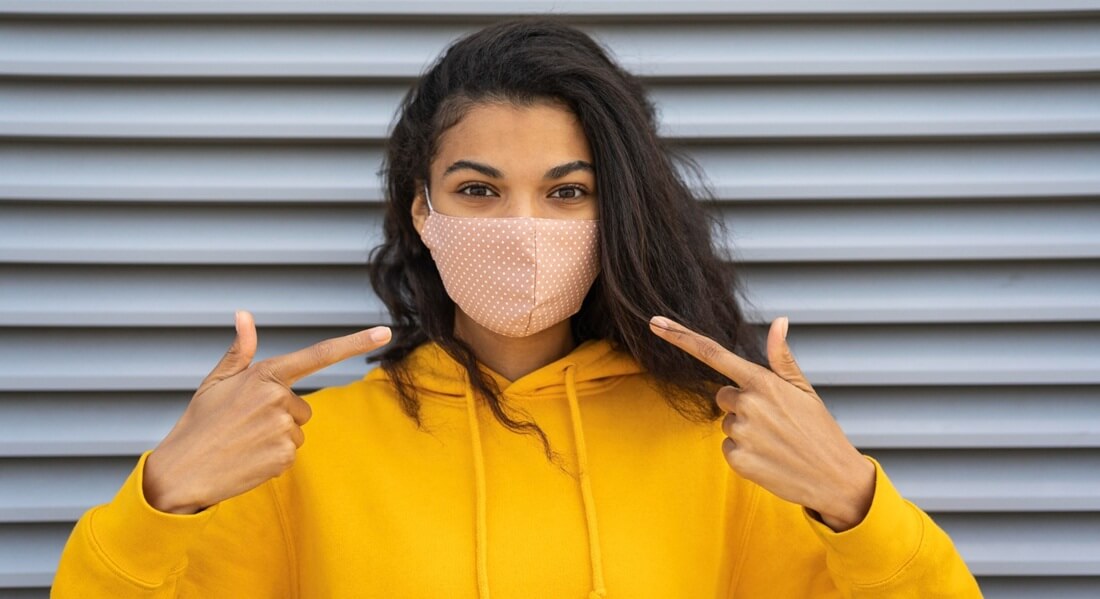
Because of lowered immunity, transplant recipients are more vulnerable to infections. Simple habits like handwashing, wearing a mask in crowded places and avoiding contact with sick individuals can make a big difference.
SEE ALSO: Expectations Before and After a Lung Transplant
Final Thoughts…
If you or a loved one is navigating life after a lung transplant, expert care matters. At Yashoda Hospitals, we offer comprehensive support for every stage of the transplant journey. As a lung transplant doctor with experience in long-term post-transplant care, my goal is to help patients and families feel confident, informed, and supported throughout their recovery.
Looking for the best hospitals for lung transplant in Secunderabad? Or lung transplant pulmonologist in Secunderabad?
Contact us or drop us a message. | Visit us today!
Source/s: Banner image by freepik

Related posts