

When Does Lung Disease Become Lung Failure? Signs You Shouldn’t Ignore

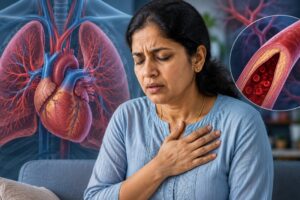
Breathlessness while climbing stairs. Getting tired faster than you used to. A cough that never quite goes away. Most people live with these symptoms for years, quietly adjusting their lives around them – slower walks, fewer outings, skipping the second flight of stairs.
What often gets missed is that these aren’t just “getting older” or “being unfit.” They can be signs that a chronic lung condition is slowly progressing toward something more serious: lung failure.
Chronic lung disease doesn’t always stay “manageable”
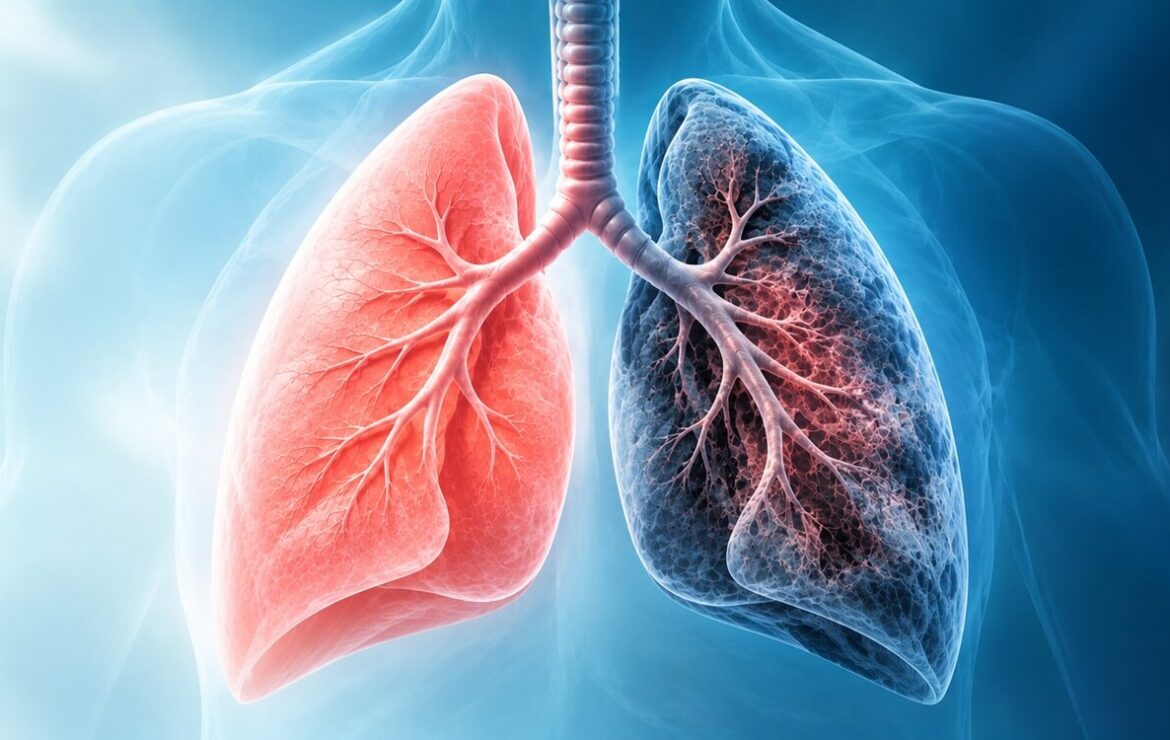
Conditions like COPD, Interstitial Lung Disease (ILD), Pulmonary Fibrosis and Bronchiectasis are often diagnosed early and managed for years with medication, inhalers or oxygen support. But lung disease isn’t always static – for many patients, it’s progressive.
Without close monitoring, what starts as a manageable condition can gradually advance to a point where the lungs can no longer supply the body with enough oxygen on their own. That point is what doctors refer to as lung failure.
The tricky part is that this progression is usually slow and easy to normalize. Patients adapt – not because they’re improving, but because they’ve unconsciously lowered their own activity levels to avoid breathlessness.
Red flags that suggest your lung condition is progressing
If you or a family member has a known chronic lung condition, these are signs that shouldn’t be brushed aside:
- Breathlessness even at rest, not just during activity
- Frequent hospital visits or flare-ups that are becoming more common
- Persistently low oxygen levels, especially if a pulse oximeter reading regularly dips below normal range
- Bluish tinge to lips or nails (cyanosis) – a sign the body isn’t getting enough oxygen
- Increasing fatigue that limits daily activities you used to manage easily
- Swelling in the legs or ankles, which can indicate the heart is being strained by lung disease
- Worsening cough or mucus production despite ongoing treatment
None of these on their own confirm lung failure – but together, or if they’re worsening over weeks to months, they’re a signal to get reassessed rather than adjust your inhaler dose and wait it out.
Why am I always breathless – even at rest?
This is one of the most common questions patients ask, often after years of assuming it’s just poor fitness or normal aging. Breathlessness at rest usually means the lungs are struggling to maintain adequate oxygen exchange even without physical exertion – which is a meaningful shift from earlier stages of lung disease, and worth a proper evaluation rather than self-management.
Is lung failure the same as lung disease?
Not quite. Lung disease refers to an underlying condition – COPD, fibrosis, bronchiectasis and so on. Lung failure is what can happen if that disease progresses to the point where the lungs can no longer perform their basic job of oxygenating the blood (and in some cases, removing carbon dioxide effectively). Think of lung disease as the condition and lung failure as a possible advanced stage of it – one that needs a different level of medical attention.
When should you see a lung specialist?
You don’t need to wait until symptoms become an emergency. It’s worth consulting a pulmonologist if:
- Your usual medications or inhalers seem less effective than before
- You’re getting breathless during activities that didn’t bother you a few months ago
- You’ve had more than one hospital admission for breathing issues in the past year
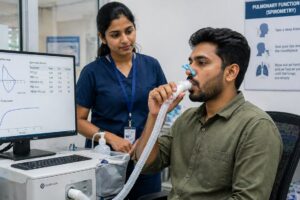
- A routine check reveals low oxygen saturation
- You simply feel like your lung condition is “not the same as before”
Early evaluation at this stage can open up more treatment options – and in advanced disease progression, specialist care becomes even more important.
Advanced care for lung failure is now more accessible
For patients whose lung disease has progressed toward failure, care doesn’t stop at oxygen therapy – evaluation for advanced treatment pathways, including transplant assessment where appropriate, becomes part of the conversation. For those who do go on to receive a transplant, understanding long-term care – including anti-rejection medication is equally important.
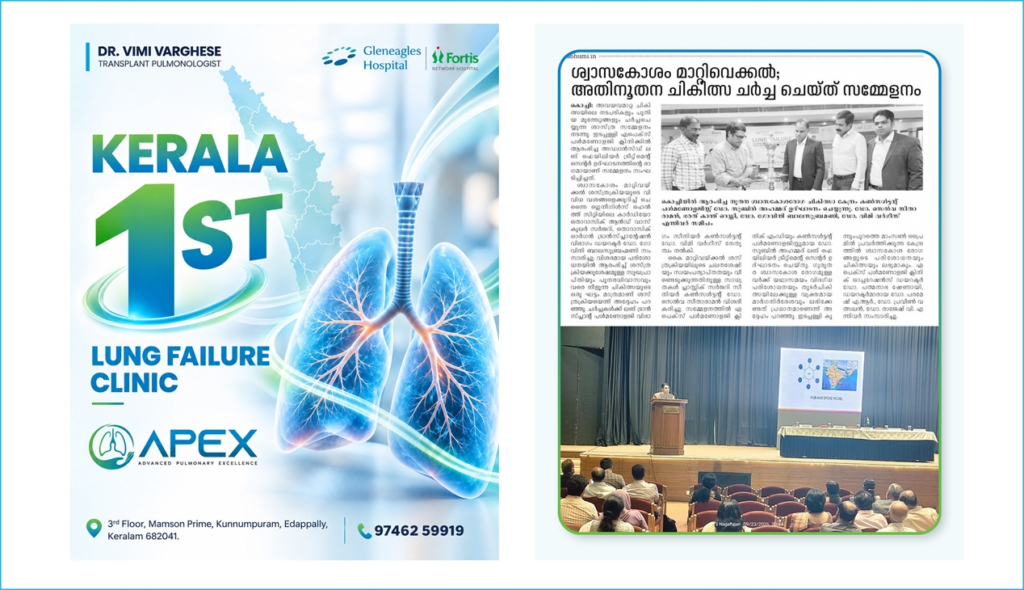
We recently launched Kerala 1st dedicated Lung Failure Clinic at Apex Pulmonology Clinic, Edappally, in collaboration with Gleneagles Hospital and Fortis Network Hospital – bringing together specialist-led, structured care for patients with advanced lung disease and lung failure, all under one roof.
If chronic breathlessness, frequent flare-ups, or worsening lung function have been part of your or a loved one’s journey, this is the right time to get evaluated.
Need an appointment with lung transplant specialist in Chennai?
📍 Consult Dr. Vimi Varghese, Lung Transplant Pulmonologist at Gleneagles Hospitals, Chennai, for an evaluation of chronic lung disease progression.
Book an appointment | Learn more about Lung Transplant | Visit us today!
Source/s: Banner image by ChatGPT AI
[transplant pulmonologist in Chennai, lung disease specialist in Chennai, pulmonary hypertension specialist in Chennai, pulmonologist for pulmonary hypertension]

Related posts