
What is Pulmonary Hypertension and Why is It Serious?

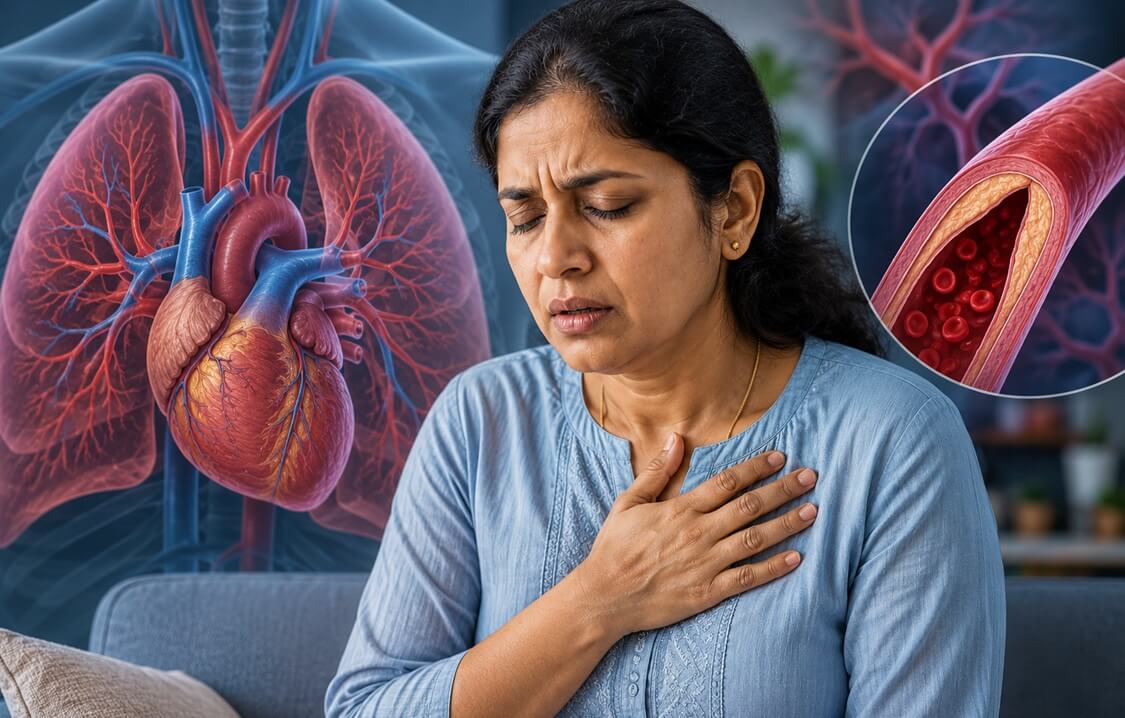
Breathlessness is often dismissed as a sign of aging, lack of fitness, or stress. But in some cases, it may point to a more serious condition known as pulmonary hypertension. Unfortunately, many people are diagnosed only after symptoms begin affecting daily life.
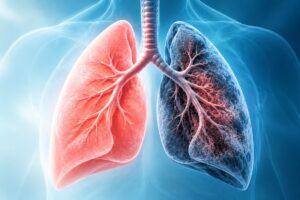
Pulmonary hypertension is a condition that causes increased pressure in the blood vessels of the lungs. Over time, this extra pressure forces the heart to work harder, eventually affecting both heart and lung function. Because the symptoms can appear gradually, the disease is often overlooked in its early stages.
For individuals experiencing unexplained breathlessness or fatigue, consulting a lung disease specialist in Chennai can help identify the problem early and guide appropriate treatment.
What Is Pulmonary Hypertension?
Pulmonary hypertension is different from regular high blood pressure. Instead of affecting the blood vessels throughout the body, it specifically affects the arteries inside the lungs.
In this condition, the lung blood vessels become narrowed, stiff, or damaged, making it harder for blood to flow through them. As a result, pressure builds up inside the lungs, and the right side of the heart has to pump harder to circulate blood.
Many patients searching online often ask: “Why does pulmonary hypertension happen?” The answer depends on the underlying cause. Pulmonary hypertension may develop due to:
- Chronic lung diseases
- Interstitial lung disease (ILD)
- COPD
- Pulmonary fibrosis
- Heart disease
- Autoimmune conditions
- Blood clots in the lungs
- Sleep-related breathing disorders
In some patients, the exact cause may remain unclear and requires specialized evaluation.
What Are the Early Signs of Pulmonary Hypertension?
One of the biggest challenges with this condition is that symptoms usually develop slowly. Many people adjust their lifestyle without realizing that their lung function is gradually worsening.
Common symptoms include:
- Breathlessness while climbing stairs or walking
- Fatigue or low stamina
- Chest discomfort
- Dizziness or lightheadedness
- Swelling in the legs or ankles
- Rapid heartbeat
Patients frequently search questions such as “What are the early signs of pulmonary hypertension?” because the symptoms can mimic asthma, anxiety, aging, or general weakness.
Persistent or unexplained breathlessness should never be ignored, especially if it gradually worsens over time.
Why Is Pulmonary Hypertension Serious?
Another common question patients ask is: “Is pulmonary hypertension life threatening?”
The answer is yes — if left untreated, pulmonary hypertension can become a serious and progressive condition. Increased pressure in the lungs places strain on the heart, particularly the right side, which can eventually weaken over time.
As the disease advances, patients may experience:
- Severe breathlessness
- Reduced oxygen levels
- Difficulty performing routine activities
- Heart strain or heart failure
- Progressive lung damage
However, early diagnosis and proper management can significantly improve quality of life and long-term outcomes.
This is why timely assessment by a pulmonologist for pulmonary hypertension is important, particularly in patients with chronic lung disease or unexplained breathlessness.
Looking for pulmonary hypertension specialist in Chennai? Contact us!
How Is Pulmonary Hypertension Diagnosed?
Diagnosing pulmonary hypertension often requires a combination of tests because symptoms alone are not enough to confirm the condition.
Doctors may recommend:
- Echocardiography (Echo)
- CT scan of the chest
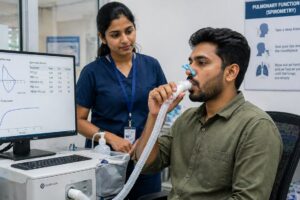
- Pulmonary Function Tests (PFT)
- 6-minute walk test
- Blood investigations
- Right heart catheterization in selected cases
An experienced pulmonary hypertension specialist can determine which tests are needed based on the patient’s symptoms and medical history.
Can Pulmonary Hypertension Be Treated?
Although pulmonary hypertension may not always be completely curable, treatment can help control symptoms, slow disease progression, and improve quality of life.
Management depends on the underlying cause and severity of the condition. Treatment may include:
- Medications to relax lung blood vessels
- Oxygen therapy
- Pulmonary rehabilitation
- Treatment of underlying lung disease
- Lifestyle modifications
- Advanced therapies in severe cases
Patients with advanced disease may require evaluation by an advanced lung disease specialist for comprehensive management and long-term care planning.
In severe or progressive cases, referral to a pulmonary hypertension specialist hospital may become necessary for specialized treatment and monitoring.
Need an appointment with lung disease specialist in Chennai? Drop us a message!
The Takeaway – Importance of Early Specialist Evaluation
Because pulmonary hypertension symptoms often overlap with other respiratory or cardiac conditions, many patients experience delays in diagnosis. Early evaluation plays a critical role in preventing disease progression and improving outcomes.
If you are experiencing persistent breathlessness, unexplained fatigue, or reduced exercise tolerance, it is important not to ignore these symptoms. Seeking timely care from a qualified specialist can help identify the cause early and guide appropriate treatment.
Dr. Vimi Varghese – Pulmonologist at Gleneagles Hospitals, Chennai, specializes in the evaluation and management of complex respiratory conditions, including pulmonary hypertension, interstitial lung disease, and advanced lung disorders. As a transplant pulmonologist in Chennai, Dr. Vimi Varghese is involved in comprehensive care for patients with severe and progressive lung disease.
Need an appointment?
Contact us or drop us a message. | Visit us today!
Source/s: Banner image by ChatGPT AI
[transplant pulmonologist in Chennai, lung disease specialist in Chennai, pulmonary hypertension specialist in Chennai, pulmonologist for pulmonary hypertension]

Related posts