
Pulmonary Rehabilitation: Does It Really Help Lung Disease Patients?

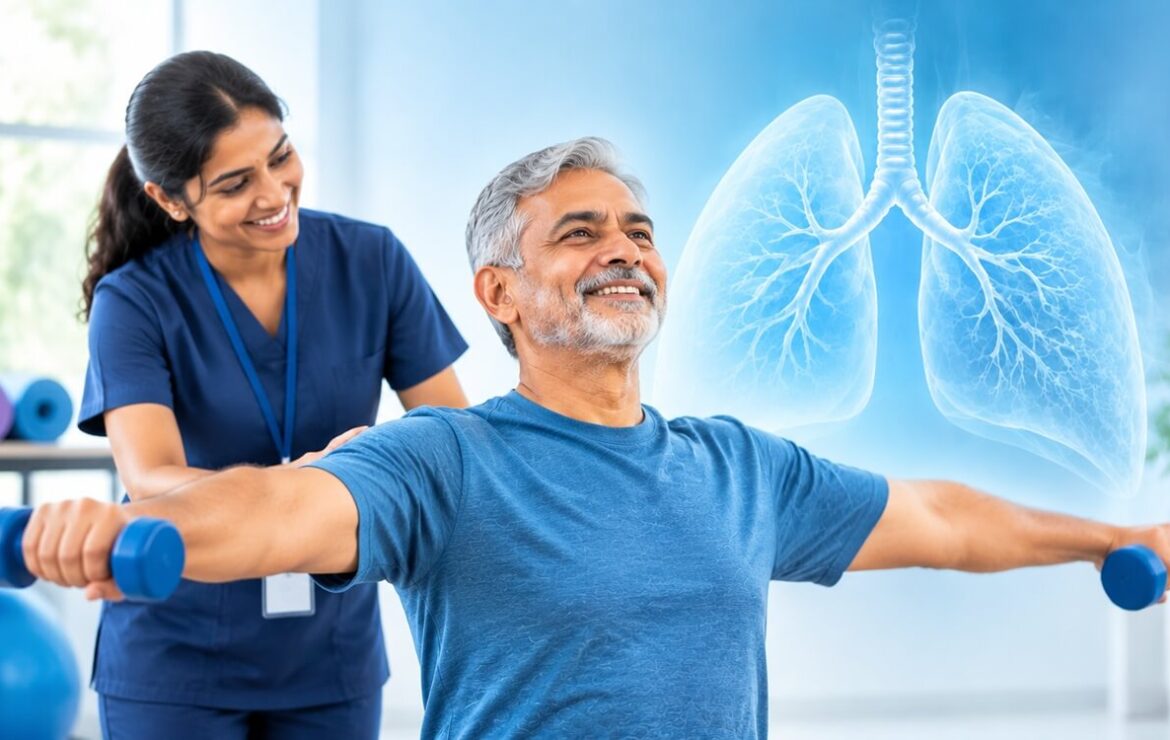
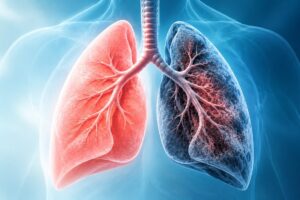
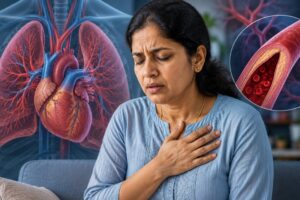
When breathing becomes difficult, most people instinctively do less. They avoid stairs, skip walks, and stop going out as often. It feels like the safe thing to do, but over time, less activity weakens the muscles, lowers stamina, and makes every breath feel harder than before.
This is where pulmonary rehabilitation comes in. Patients often ask, “Does it really work, or is it just exercise?” The honest answer is that it is much more than exercise, and for many people with chronic lung disease, it makes a real difference.
What is Pulmonary Rehabilitation?
Pulmonary rehabilitation is a structured, supervised program designed for people living with chronic lung conditions. It combines exercise training, breathing techniques, education, nutritional guidance, and emotional support, all tailored to your condition and current ability.
It does not cure lung disease or reverse existing lung damage. What it does is help you get the most out of the lung function you have, so everyday activities become easier and less frightening.
Does Pulmonary Rehabilitation Really Work?
For most patients with chronic lung disease, yes. Research and clinical experience consistently show that a good program can help you:
- Feel less breathless during daily activities
- Walk further and build stamina, with less fatigue
- Improve your quality of life, including mood and confidence
- Reduce anxiety around breathlessness, which often makes symptoms feel worse
- Lower the chances of repeated hospital admissions for some patients, particularly after a flare-up
Results vary from person to person, and the benefits are strongest when you attend regularly and keep up the habits after the program ends. It works best as an addition to your medical treatment, not a replacement for it.
Who Needs Pulmonary Rehabilitation?
It is not only for people with severe disease. You may benefit if you:
- Get breathless during routine activities like walking or climbing stairs
- Have a long-standing lung condition and have started cutting back on activity
- Have recently been hospitalised for a flare-up
- Feel your stamina is steadily declining despite taking your medications
- Are preparing for a lung transplant or recovering from one
Conditions where it is commonly recommended include COPD, interstitial lung disease and pulmonary fibrosis, pulmonary hypertension, bronchiectasis, and the lingering lung effects of past infections.
What Does a Pulmonary Rehabilitation Program Include?
Every program is personalised, but most include:
- A baseline assessment. This usually starts with a lung function test and a simple walking test, which help set your starting point and track progress.
- Supervised exercise training. Gentle walking, cycling, and strength work, increased gradually and monitored for oxygen levels and symptoms.
- Breathing techniques. Methods such as pursed-lip breathing and diaphragmatic breathing help you control breathlessness and conserve energy.
- Education. You learn how to use inhalers and oxygen correctly, recognise early warning signs of a flare-up, and manage your condition day to day.
- Nutrition guidance. Both being underweight and overweight can make breathing harder, so diet support matters.
- Emotional support. Anxiety and low mood are common with chronic lung disease, and addressing them improves the whole recovery.
Can Lung Disease Patients Exercise Safely?
This is one of the most common concerns, and a fair one. Exercising on your own with significant lung disease can feel risky, and it sometimes is, especially if you need oxygen support or have heart-related complications.
That is exactly why supervised rehabilitation exists. Your team monitors your oxygen levels, heart rate, and symptoms, adjusts the intensity to suit you, and teaches you how to pace yourself. Mild breathlessness during exercise is expected and usually not harmful, but you should always follow your doctor’s guidance and stop if you feel unwell.
How Long Does It Take?
Most programs run for several weeks, typically with a few sessions each week, followed by a home exercise routine you continue on your own. The goal is not to attend sessions forever, but to build habits that last. Patients who keep exercising after the structured program ends tend to hold on to their gains.
Pulmonary Rehabilitation Before and After a Lung Transplant
Rehabilitation also plays an important role for transplant patients. Before surgery, it helps build strength and stamina so you go into the operation in the best possible condition. After surgery, it supports a smoother recovery and helps you return to daily life. You can read more about what recovery looks like in our guide to life after a lung transplant, and about lung transplant evaluation in general.
When Should You See a Specialist?
If your breathlessness is getting worse, or your lung condition no longer feels the way it used to, an early evaluation helps. Rehabilitation is one part of the picture, and your doctor can also check whether your condition is progressing and whether your treatment needs adjusting. Our blog on when lung disease becomes lung failure explains the warning signs to watch for.
As a lung transplant pulmonologist in Chennai, I see many patients who have quietly adapted their lives around breathlessness for years. A proper assessment, and the right rehabilitation plan, can often give back activities they thought were gone for good.
As a lung transplant pulmonologist in Chennai, I see many patients who have quietly adapted their lives around breathlessness for years. A proper assessment, and the right rehabilitation plan, can often give back activities they thought were gone for good.
Book an appointment | Learn more about Pulmonary Rehabilitation | Visit us today!
Source/s: Banner image by ChatGPT AI

Related posts